Vagus Nerve Regulation Techniques for Better Wellness
Sarah Lee
February 6, 2026
Vagus Nerve Regulation Techniques for Better Wellness
Imagine a system in your body that acts as a bridge between your brain and vital organs, influencing everything from your heart rate to your digestion. That’s the vagus nerve, a key player in your autonomic nervous system, and it holds the potential to enhance your overall wellness. By learning to regulate this nerve, you can harness its power to improve emotional resilience, reduce stress, and promote relaxation.
Key Takeaways
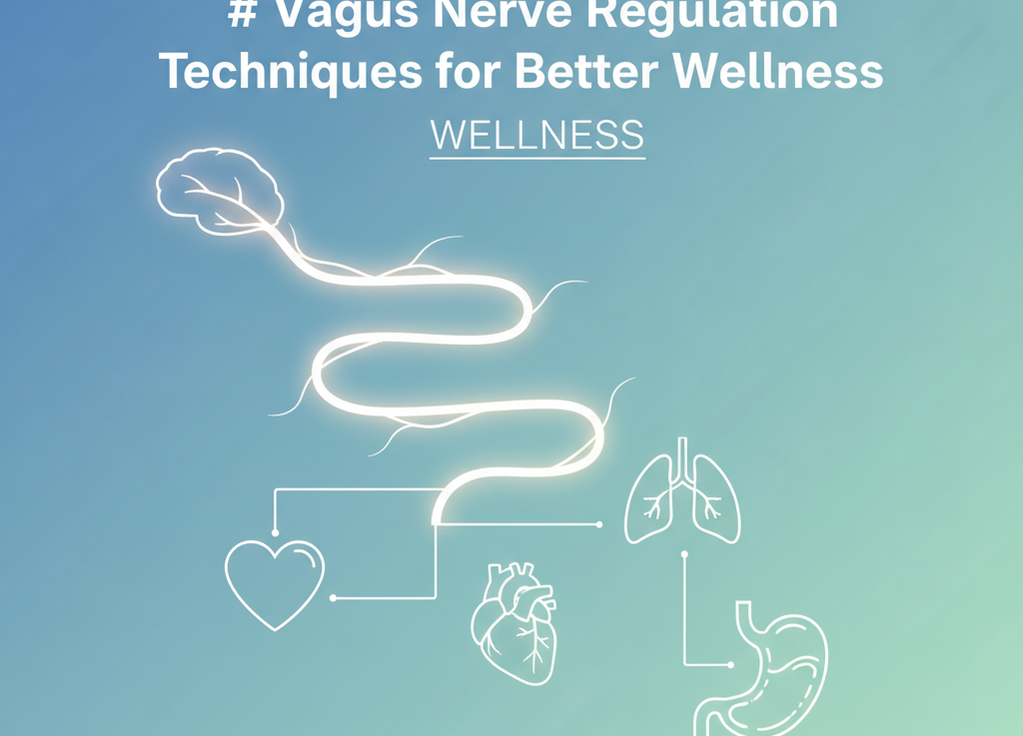
- The vagus nerve connects the brain to the heart, lungs, and digestive tract, impacting physical and emotional health.
- Mindful breathing exercises can stimulate the vagus nerve, promoting relaxation and reducing anxiety.
- Techniques like cold exposure and specific yoga practices enhance vagal tone and support overall wellness.
- Regular vagus nerve activation can improve mood, boost immunity, and enhance digestion.
- Engaging in social connections and laughter directly influences vagal activity, fostering emotional wellness.
- A balanced approach to vagus nerve regulation is essential, as overstimulation can lead to discomfort or stress.
Understanding the Vagus Nerve
The vagus nerve, Latin for "wandering," extends from the brainstem down to the abdomen, branching out to various organs. Its functions are vast, influencing involuntary actions like heart rate, digestion, and even mood. This nerve is a significant component of the parasympathetic nervous system, often referred to as the "rest and digest" system. When activated, it helps lower stress levels, promoting a state of calm and well-being.
Given its influence, enhancing vagal tone can be a game changer for those looking to improve their mental and physical health. But how can one effectively stimulate this nerve?
Breathing Techniques for Vagal Stimulation
Mindful breathing exercises are among the most accessible methods for stimulating the vagus nerve. A simple yet effective practice can be done anywhere. Here’s how:
- Take a deep breath: Inhale deeply through your nose, filling your lungs completely.
- Hold: Retain that breath for five seconds, allowing your body to absorb the oxygen.
- Exhale slowly: Release your breath through your mouth, extending the exhale as long as comfortable.
This technique not only calms the mind but also sends signals to your vagus nerve to relax the body. Engaging in deep, rhythmic breathing can be particularly beneficial during high-stress situations, helping you regain control and composure.
Additional Techniques to Enhance Vagal Tone
While mindful breathing is effective, there are other techniques worth exploring. Cold exposure, such as taking a cold shower or splashing cold water on your face, can activate the vagus nerve and promote alertness. Research shows that brief exposure to cold temperatures can increase heart rate variability, a sign of improved vagal tone.
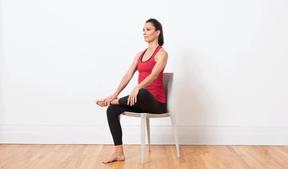
Yoga practices—especially those incorporating breath control and gentle stretching—can also enhance vagal regulation. Poses that promote relaxation, like Child’s Pose or Legs-Up-the-Wall, encourage deep breathing and stimulate the vagus nerve.
Furthermore, social connections and laughter play a vital role in vagal tone. Engaging in meaningful conversations or sharing a laugh with friends can activate this nerve, fostering emotional well-being. It’s a reminder that wellness is not just about solitary practices but also the connections we nurture with others.
The Goldilocks Principle of Vagal Regulation
Like the fairy tale of Goldilocks, vagus nerve regulation requires a balance. Too little stimulation can lead to lethargy and disconnection, while too much can result in anxiety and stress. Finding that "just right" level is essential for optimal functioning.
To navigate this, pay attention to your body’s signals. Activities like meditation, mindful eating, or even gentle exercise can help gauge your comfort level. Adjusting your practices based on your mood and energy levels ensures that you engage with the vagus nerve in a way that feels supportive rather than overwhelming.
Conclusion
The vagus nerve is a powerful ally in the quest for wellness. By incorporating techniques such as mindful breathing, cold exposure, yoga, and fostering social connections, you can enhance your vagal tone and overall health. The journey toward wellness is a personal one, and by tuning into your body and its needs, you can find the right balance for a healthier, more fulfilling life.
So, take a moment today to breathe deeply, connect with others, and embrace the power of your vagus nerve. Your body—and mind—will thank you.