Mental Fitness Routines for Everyday Stress Management
Emile Bartow
February 6, 2026
Mental Fitness Routines for Everyday Stress Management
Imagine standing in the middle of a bustling intersection, overwhelmed by the cacophony of honking horns and rushing pedestrians. Now, picture having the mental tools to navigate that chaos with ease. That’s the essence of mental fitness—a proactive approach to managing stress before it swells into something unmanageable.
Key Takeaways
- Small, consistent habits enhance mental resilience and reduce stress over time.
- Journaling or using an app to track progress helps identify stressors and patterns.
- Predictable routines improve cognitive efficiency, making decision-making easier.
- Mindfulness practices, such as meditation, foster emotional regulation and clarity.
- Engaging in physical activity releases endorphins, serving as a natural antidote to stress.
- Social connections provide essential support and boost overall mental health.
- Incorporating breathing exercises can quickly alleviate acute stress responses.
The Power of Micro-Habits
Small habits may not seem like much, but they pack a punch. Research suggests that micro-habits—tiny, manageable actions—are easier to incorporate into daily life. For instance, spending just five minutes each morning practicing gratitude or deep breathing can create a ripple effect throughout your day. As these habits become ingrained, they rewire the brain, enhancing your capacity to manage stress effectively.
Consider the practice of gratitude. A study found that individuals who regularly noted things they were thankful for reported lower levels of anxiety and depression. This simple act shifts focus from stressors to positive experiences, creating a mental buffer against daily challenges.
Tracking Progress for Insight
The road to mental fitness isn’t always smooth. Keeping a journal or using an app can illuminate patterns in your behavior and emotional responses. This reflective practice not only helps you recognize triggers but also allows for adjustments in your routine.
For example, if you notice a spike in stress after certain interactions, it might be wise to rethink how you approach those situations. A tracking method can be as simple as jotting down feelings after a stressful event or logging physical symptoms like tension headaches. Over time, this accumulation of data becomes a powerful tool for self-awareness.
Routines as a Mental Framework
Predictability in daily routines can enhance cognitive efficiency. When certain actions are habitual, the brain conserves energy for more complex tasks. Studies published in Frontiers in Psychology reveal that having a set routine can significantly improve decision-making capabilities.
Imagine starting your day with a consistent morning routine: wake up, drink a glass of water, meditate for ten minutes, and review your goals. This structured approach minimizes decision fatigue and prepares you mentally to tackle the day’s challenges.
Moreover, routines create a sense of stability, especially in uncertain times. When life feels chaotic, having a few non-negotiable habits can provide comfort and clarity. For instance, setting aside time for exercise or a relaxing evening ritual can serve as anchors in a tumultuous sea.
Mindfulness and Movement: Dual Approaches
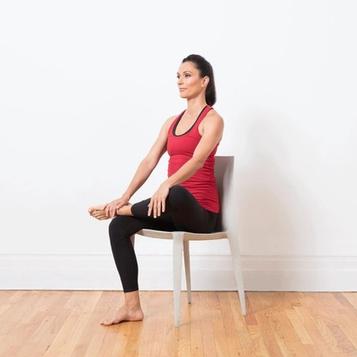
Mindfulness practices, such as meditation and yoga, cultivate emotional regulation. They encourage a moment of pause, allowing you to respond to stressors instead of reacting impulsively. Research indicates that these practices can significantly lower cortisol levels, a hormone linked to stress.
On the flip side, physical activity is a formidable ally in stress management. Exercise releases endorphins, the body's natural mood elevators. Just 30 minutes of moderate exercise can lead to immediate improvements in mood and reductions in stress. Whether it’s a brisk walk, a yoga class, or a dance session in your living room, find what moves you and make it part of your routine.
The Role of Social Connections
Humans are inherently social creatures. Engaging with friends or family can act as a buffer against stress, providing not just emotional support but also practical advice. Regular social interaction can enhance mental health, offering a sense of belonging and community.
Consider scheduling weekly catch-ups with a friend or joining a group that shares your interests. These connections can offer fresh perspectives and reduce the feelings of isolation that stress often brings.
Conclusion
Stress is an unavoidable part of life, but mental fitness routines can empower you to manage it effectively. By integrating small habits, tracking progress, establishing routines, practicing mindfulness, and nurturing social connections, you build a resilient mental framework. So, take a moment to breathe deeply, reflect, and commit to a routine that nurtures your mental fitness. Your future self will thank you.