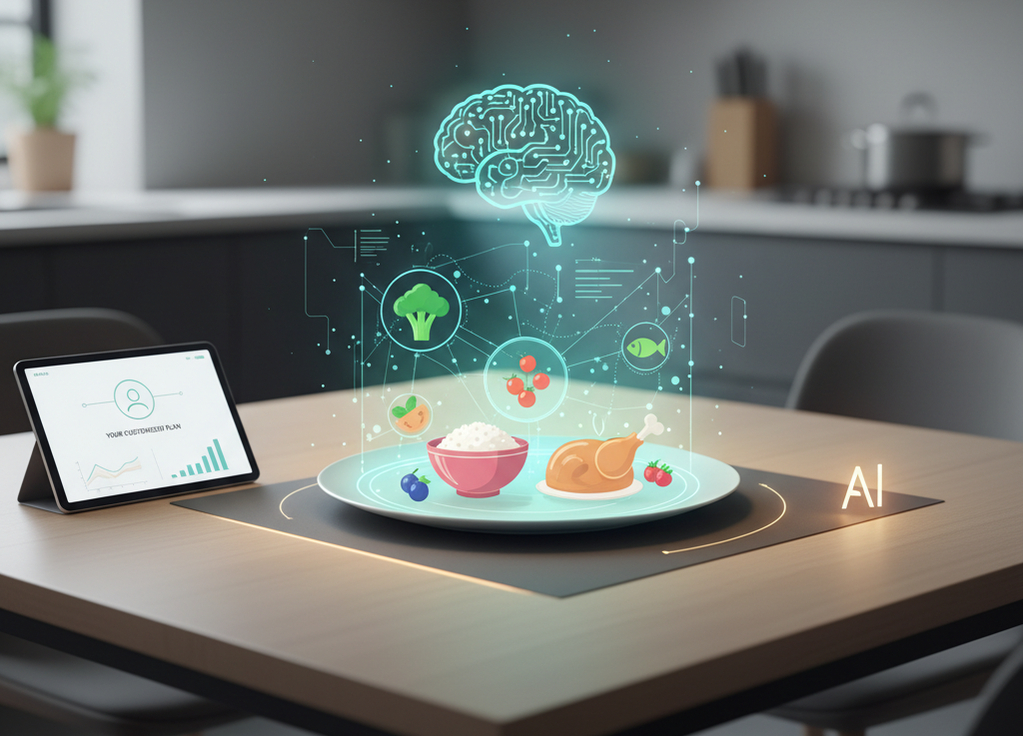
Hyper-Personalized Meal Services Gaining Traction in AI-Driven Dining
February 6, 2026
Hyper-Personalized Meal Services Gaining Traction
Imagine walking into a restaurant where the menu is not just a list of dishes but a curated selection tailored specifically to your taste, dietary restrictions, and nutritional goals. This vision is becoming a reality as hyper-personalized meal services gain traction, reshaping how we approach dining and meal preparation.
Key Takeaways
- Hyper-personalization in meal services leverages AI to analyze individual preferences and health data for customized meal suggestions.
- Predictive ordering technology is emerging as a key feature, anticipating customer needs based on past behaviors.
- Companies are increasingly offering diverse meal options to cater to various dietary requirements and cultural preferences.
- The trend reflects a larger demand for wellness integration into everyday life, with food choices playing a crucial role.
- Fast-casual restaurants are adapting by employing skilled chefs and technology to enhance customer experiences through personalization.
- Data-driven insights are essential for meal service providers to stay relevant and responsive in a competitive market.
- Engaging customers through feedback loops helps refine offerings and enhance satisfaction in hyper-personalized meal services.
The Rise of Hyper-Personalization
The landscape of meal services is rapidly evolving, driven by advancements in artificial intelligence and automation. Traditionally, personalization involved skilled chefs and attentive service staff adapting meals to customer preferences. Now, technology is revolutionizing this process. Companies like PlateJoy and Snap Kitchen are utilizing AI to analyze customer data, allowing them to offer personalized meal plans based on individual preferences and nutritional needs.
Imagine receiving a meal suggestion that aligns with your health goals—be it weight loss, muscle gain, or simply maintaining a balanced diet. Predictive ordering is at the forefront of this trend, where algorithms analyze past orders and customer behavior to anticipate cravings and dietary requirements. It’s not just about what people want today but what they’re likely to want tomorrow.
Catering to Diverse Needs
As the demand for inclusivity grows, meal services are expanding their offerings to accommodate a variety of dietary restrictions and cultural preferences. Companies are now providing gluten-free, vegan, and low-carb options, ensuring that everyone can find something that suits their needs. This shift reflects a broader societal trend where consumers are more conscious about what they eat and how it affects their health.
For instance, brands like Freshly and HelloFresh have diversified their menus to include dishes inspired by various global cuisines. This not only enhances the dining experience but also fosters a sense of community among consumers who can explore different flavors from the comfort of their homes.
The Wellness Integration
The rise of hyper-personalized meal services is deeply intertwined with the growing consumer focus on wellness. People are no longer merely seeking sustenance; they're looking for meals that contribute to their overall well-being. This shift is prompting meal service providers to rethink their offerings.
Hospitality professionals are responding by integrating wellness into their business models. They are considering not just taste but also nutritional value, sourcing high-quality ingredients that are beneficial for health. According to a recent survey, 73% of consumers say they are willing to pay more for meals that promote health and well-being. This statistic underscores the importance of aligning meal offerings with customer values.
Technology's Role in Personalization
The technological backbone of hyper-personalized meal services cannot be overlooked. Companies are investing in sophisticated software solutions that gather and analyze data from various sources. This includes everything from customer feedback to dietary trends, enabling meal services to stay ahead of consumer preferences.
Utilizing platforms like Salesforce or HubSpot for customer relationship management helps companies refine their strategies. These tools allow for real-time adjustments based on customer interactions, ensuring that meal offerings evolve alongside changing tastes. The cycle of feedback and iteration is crucial for maintaining relevance in a fast-paced market.
Conclusion
As hyper-personalized meal services continue to gain traction, they challenge the traditional notions of dining and meal preparation. This evolution promises not just customized menus but a more profound connection between food choices and personal well-being. The industry is at a pivotal moment, where technology meets culinary artistry, creating an exciting future for both consumers and providers.
For those in the meal service industry, embracing hyper-personalization isn't just an option—it's a necessity. Adapting to meet the unique preferences of consumers will not only enhance customer satisfaction but also establish a competitive edge in a rapidly changing market. The future of dining is here, and it’s more personalized than ever.